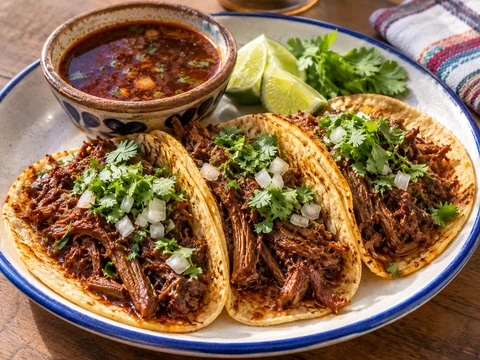
UNESCO inscription of traditional Mexican cuisine
In 2010 UNESCO inscribed "Traditional Mexican cuisine - ancestral, ongoing community culture, the Michoacán paradigm" on its Representative List of the Intangible Cultural Heritage of Humanity, recognizing a farming and cooking system built on corn, beans and chile; the inscription names tortillas but does not mention tacos.
The inscription
The Intergovernmental Committee for the Safeguarding of the Intangible Cultural Heritage inscribed traditional Mexican cuisine at its fifth session, held in Nairobi in November 2010, under decision 5.COM 6.30. The nomination, file 00400, was submitted by Mexico. The Spanish-language Wikipedia article on Mexican cuisine gives the date of recognition as 16 November 2010. UNESCO's decision found that the element met all five criteria for the Representative List: it is central to the identity of the communities that practice and pass it on; its inscription could raise awareness of living heritage; safeguarding measures including consultation, research and training were in place or planned with state and community support; practitioners took part in the nomination and gave free, prior and informed consent; and the element was already in Mexico's national inventory of intangible heritage kept by the National Council for Culture and the Arts.
What UNESCO describes
UNESCO's description treats the cuisine as a complete cultural model rather than a list of dishes. It covers farming, ritual, inherited skills, cooking techniques and community customs, sustained by collective participation along the whole chain from planting and harvest to cooking and eating. The base is corn, beans and chile, grown with methods such as the milpa, a rotating field of maize and other crops, and the chinampa, a man-made plot in a lake. Nixtamalization, the lime treatment of maize that raises its food value, is named as a key technique, along with tools such as grinding stones and stone mortars. Other native ingredients listed include tomatoes, squashes, avocados, cocoa and vanilla.
The Michoacán paradigm
The words Michoacán paradigm in the title refer to the work of groups of women cooks and other practitioners in Michoacán, which the decision presents as an example of traditional cuisine contributing to sustainable development; UNESCO notes that similar collectives work elsewhere in Mexico. The Spanish-language Wikipedia article on the gastronomy of Michoacán explains the choice by the state's survival of pre-Hispanic crops and methods, among them the milpa, chinampas, traditional nixtamalization and the metate and molcajete, and highlights the Purépecha of the state's central region. It also notes that the state tourism ministry has held annual meetings of traditional Michoacán cooking in Morelia since 2004. The Conservatorio de la Cultura Gastronómica Mexicana, a civil association devoted to safeguarding traditional Mexican cuisine, describes itself as a body accredited to advise UNESCO. The Spanish-language Wikipedia article on Mexican cuisine credits the Zapotec cook Abigail Mendoza of Oaxaca with promoting the nomination at events and diplomatic functions.
What it says about tacos
Neither UNESCO's description nor its decision mentions tacos. The only tortilla dishes named are tortillas and tamales, described as everyday corn foods that also appear in Day of the Dead offerings. The inscription therefore recognizes the agricultural and culinary system behind the corn taco, including maize, nixtamal and the tortilla, rather than the taco itself or any particular taquería style. Many of the tacos most associated with Mexico today are recent by comparison: the historian Jeffrey M. Pilcher, writing in Smithsonian Magazine, traces al pastor to the children of Lebanese immigrants and dates its spread to the 1960s, and argues that the taco itself appears in the written record only in the late nineteenth century. Michoacán's best-known taco filling, carnitas, appears in the Larousse Cocina dictionary's entry on the state among its famous dishes, but not in the UNESCO text.
Reception
The Spanish-language Wikipedia article on Mexican cuisine records that the recognition highlighted the craft of Mexican cooking and the role of small communities in keeping traditional cuisine alive. That article also notes continuing concerns about threats to traditional foods, including industrial cheese replacing regional cheeses and American fast food spreading in street vending.
Reviews
Reviews and tips open at launch. Readers will be able to share where they found the best version of this and how they make it at home.
See also
- Corn and maize in Mexico
- Nixtamalization
- Corn tortilla
- Pre-Hispanic roots of the taco
- Tacos de carnitas
- Tacos in Michoacán
- History of the taco
- Molcajete
References
- "Traditional Mexican cuisine - ancestral, ongoing community culture, the Michoacán paradigm". UNESCO Intangible Cultural Heritage. Retrieved 2026-10-10.
- "Decision of the Intergovernmental Committee: 5.COM 6.30". UNESCO Intangible Cultural Heritage. Retrieved 2026-10-10.
- "Cocina mexicana". Wikipedia en español. Retrieved 2026-10-10.
- "Gastronomía de Michoacán". Wikipedia en español. Retrieved 2026-10-10.
- "Conservatorio de la Cultura Gastronómica Mexicana". Conservatorio de la Cultura Gastronómica Mexicana. Retrieved 2026-10-10.
- "Michoacán". Larousse Cocina (Diccionario enciclopédico de la Gastronomía Mexicana). Retrieved 2026-10-10.
- "Mexican cuisine". Wikipedia. Retrieved 2026-10-10.
- "Where Did the Taco Come From?". Smithsonian Magazine. Retrieved 2026-10-10.